If you're having problem with high nearsightedness, you might be asking yourself if Refractive Lens Exchange (RLE) can be the solution. This procedure replaces your natural lens with a tailored intraocular lens, intending to improve your vision dramatically. While many find success with RLE, it is necessary to weigh the benefits against potential risks. Understanding exactly how RLE works and what it entails can aid you make an enlightened choice about your eye health and wellness. What should you take into consideration before proceeding?
What Is Refractive Lens Exchange (RLE) and How Does It Work?
Refractive Lens Exchange (RLE) is a surgery targeted at fixing vision problems by replacing the eye's all-natural lens with a man-made one.
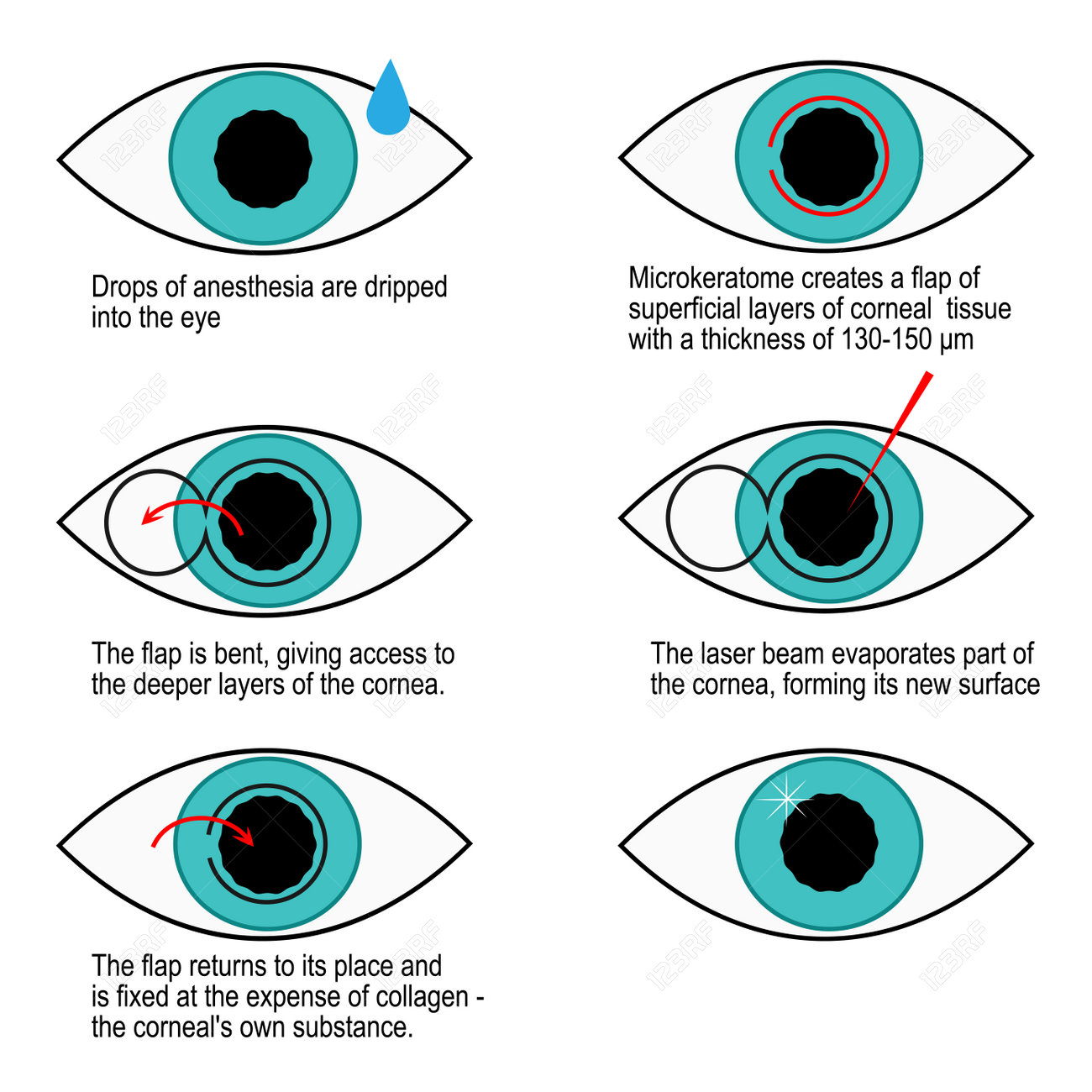
Throughout the procedure, your eye doctor makes a small incision and removes your existing lens. They then insert a customized intraocular lens (IOL) customized to your certain vision requirements.
This process not just addresses refractive mistakes like nearsightedness yet additionally alleviates concerns connected to cataracts.
RLE normally takes about 15-30 minutes per eye and is performed under local anesthesia for your convenience.
After the surgical treatment, you'll appreciate a quicker recuperation time compared to standard cataract surgical procedure.
It's important to follow your surgeon's post-operative guidelines for ideal outcomes and a smooth recovery process.
The Benefits of RLE for Managing High Myopia
If you're struggling with high myopia, RLE offers an appealing option that can considerably enhance your vision. This procedure replaces your eye's natural lens with a synthetic one, permitting a more specific modification of your refractive mistakes.
Unlike https://www.benzinga.com/money/best-vision-insurance-missouri/ like glasses or contacts, RLE addresses the underlying issue straight, offering clearer vision at various ranges.
In addition, RLE can lower your reliance on corrective eyeglasses, offering you the flexibility to delight in daily activities without hassle.
You'll additionally take advantage of a reduced threat of developing cataracts later on in life, as RLE replaces the lens prior to age-related changes take place.
With a fast healing time, several clients experience improved vision within days, making RLE an eye-catching choice for handling high myopia.
What Are the Dangers and Considerations of RLE?
While RLE can offer significant benefits, it's critical to consider the prospective risks included. You might experience difficulties like infection, blood loss, or retinal detachment, which can impact your vision. Some patients report glow, halos, or problem with evening vision after the treatment.
In addition, there's a chance your prescription won't stabilize, needing additional changes or therapies. You should likewise consider your total eye wellness and any kind of pre-existing conditions, as these can influence results.
It's crucial to select a qualified doctor that concentrates on RLE to lessen risks. Make https://writeablog.net/pablo40gino/is-refractive-lens-exchange-well-worth-the-rate-a-cost-break-down to have a detailed discussion with your eye care expert about your expectations and problems prior to deciding if RLE is ideal for you. Being notified will assist you make the best selection for your vision.
Verdict
In conclusion, Refractive Lens Exchange (RLE) can be a game-changer for those having problem with high myopia. It provides clear vision and much less dependence on glasses or contacts. Nonetheless, it's essential to weigh the benefits versus prospective threats. Before making a decision, have an open discussion with your eye care professional to guarantee you recognize all aspects of the procedure. With the appropriate details, you can decide that finest matches your vision requires.